 Money
Money

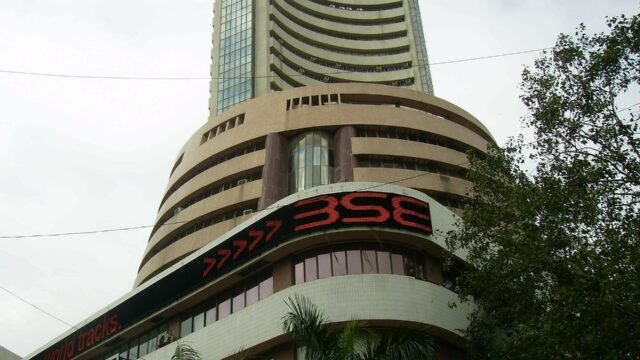
BSE Sensex and Nifty 50 finish sharply lower amid broad-based selling, while the rupee weakens against the US dollar.
Key points
- BSE Sensex dropped 1.77% to close at 74,781.76.
- Nifty 50 retreated 1.60% to end the session at 23,398.10.
- Nifty Bank declined 0.84% to finish at 56,606.55.
- USD/INR exchange rate rose 1.18% to trade at 95.54.
The Indian stock market experienced a sharp downturn during the trading session on September 11, 2026, with benchmark indices recording significant losses. The BSE Sensex fell by 1.77%, shedding over 1,300 points to close at 74,781.76. Similarly, the broader Nifty 50 index declined by 1.60% to finish the day at 23,398.10, driven by broad-based selling across major sectors. Investors monitoring why the market moved today will note the intense downward momentum that dominated both indices from opening bell to close.
Benchmark indices hit session lows
Selling pressure was evident throughout the session as indices hovered near the lower end of their intraday ranges. The BSE Sensex moved between an intra-day high of 74,917.15 and a low of 74,160.16. Meanwhile, the Nifty 50 traded within a range of 23,231.40 and 23,448.10 before settling well below the previous close of 23,779.15.
Financial heavyweights also faced headwinds, though losses were somewhat contained compared to the wider market. The Nifty Bank index dropped 0.84%, closing at 56,606.55 after touching a low of 55,699.45 during the volatile trading hours.
Currency movements and macroeconomic backdrop
In the foreign exchange market, the Indian rupee weakened notably against the US dollar. The USD/INR exchange rate climbed 1.18% to reach 95.54, moving upward from its previous close of 94.43. The currency pair traded within a daily range of 95.43 to 95.79, reflecting broader macroeconomic pressures impacting domestic asset classes.
- BSE Sensex close: 74,781.76 (-1.77%)
- Nifty 50 close: 23,398.10 (-1.60%)
- Nifty Bank close: 56,606.55 (-0.84%)
- USD/INR rate: 95.54 (+1.18%)
What this means for investors
For market participants in India, sharp sessions like this underscore the importance of maintaining a diversified portfolio and adhering to long-term asset allocation strategies. Sudden declines in headline indices often trigger heightened volatility across individual stock prices, testing risk tolerance for both short-term traders and long-term investors.
When major benchmarks pull back alongside a softening domestic currency, investors typically re-evaluate sector exposure and risk management parameters. Watching institutional flow data and broader macroeconomic indicators in subsequent sessions can provide further clarity on whether the selling pressure is temporary or part of a more sustained market correction.
Frequently asked questions
What were the closing levels for Sensex and Nifty 50? The BSE Sensex closed at 74,781.76, down 1.77%, while the Nifty 50 finished at 23,398.10, declining 1.60%.
How did the Indian rupee perform against the US dollar? The USD/INR currency pair rose by 1.18% to settle at 95.54.
This article is for information only and is not investment advice. Do your own research or consult a licensed adviser before investing.
Based on information published by MoneyPuran market data. Source: MoneyPuran market data. Spotted an error? corrections@moneypuran.com