 Money
Money
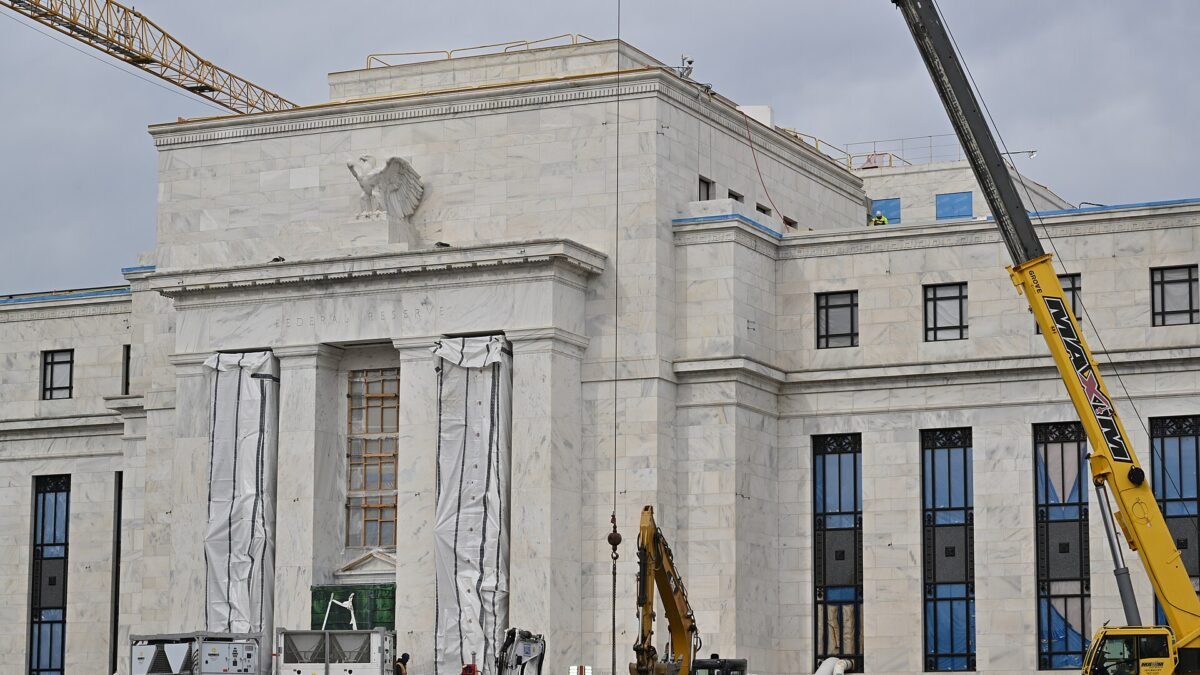
The Federal Open Market Committee voted 9-3 to keep borrowing costs unchanged while noting ongoing inflation pressures and solid economic activity.
Key points
- The target range for the federal funds rate was kept at 3-1/2 to 3-3/4 percent.
- The FOMC vote was 9 to 3, with three members dissenting in favor of a quarter-point rate hike.
- Economic activity continues to expand at a solid pace despite elevated uncertainty and supply shocks.
- Inflation remains above the central bank’s 2 percent target, driven in part by energy and sector supply issues.
The latest Fed rate decision on July 29, 2026, saw the Federal Open Market Committee vote to keep the target range for the federal funds rate unchanged at 3-1/2 to 3-3/4 percent. Announced at 2:00 p.m. EDT by the U.S. Federal Reserve Board, the monetary policy update reflected a central bank balancing resilient economic expansion against stubbornly high price pressures. The policy stance was supported by the majority of the committee, reaffirming its dedication to the dual mandate of maximum employment and price stability for the American economy.
Understanding the Fed rate decision framework
Central banking decisions shape global financial markets, influencing borrowing costs for consumers and businesses alike. The recent Fed rate decision underscores the delicate balancing act facing policymakers as they monitor macroeconomic indicators such as labor market resilience and consumer price indices. Economic activity is currently expanding at a solid pace, supported by strong capital investment and productivity growth. Furthermore, job gains have kept pace with the growing workforce, leaving the unemployment rate largely unchanged over the recent evaluation period.
Despite these positive indicators, policymakers noted that inflation remains elevated relative to the Committee’s official 2 percent goal. This persistence stems in part from supply shocks that have driven price increases across specific sectors, including energy markets. Heightened geopolitical uncertainty, particularly stemming from conflicts in the Middle East, continues to add external pressure to global supply chains and commodity prices. The central bank has repeatedly emphasized that future policy adjustments will depend heavily on incoming economic data and the evolving outlook.
Dissents and policy implementation details
Not all members of the policymaking body agreed with keeping borrowing costs stationary at this meeting. Three officials voted against the monetary policy action, preferring a more restrictive stance. Specifically, Beth M. Hammack, Neel Kashkari, and Lorie K. Logan favored raising the target range for the federal funds rate by 1/4 percentage point at this meeting to further combat persistent price pressures. Their dissents highlight the ongoing internal debate among central bankers regarding how quickly monetary policy should normalize or tighten further.
- Federal funds rate target range maintained at 3.50% to 3.75%.
- FOMC voting breakdown recorded a 9 to 3 majority.
- Three dissenting officials advocated for a 25 basis point rate increase.
- Economic expansion continues alongside elevated energy and supply-driven inflation.
Market participants closely analyze every word of the official statement and implementation notes for clues about the trajectory of monetary policy. While a pause offers short-term clarity, traders across equity, bond, and currency markets remain vigilant regarding future inflation prints and employment reports. As the Federal Reserve continues its policy of maintaining ample reserves in the banking system, analysts and investors alike prepare for subsequent committee meetings later in the year to gauge the timing of any potential policy pivots.
Frequently asked questions
What is the primary goal of the Federal Open Market Committee? The FOMC aims to promote sustainable economic growth, maximum employment, and stable prices through the management of monetary policy and interest rates.
Why did some members dissent from the recent policy choice? Three officials preferred a quarter-point rate hike because inflation remains above the official 2 percent target and requires more aggressive tightening.
This article is for information only and is not investment advice. Do your own research or consult a licensed adviser before investing.
Based on information published by U.S. Federal Reserve Board. Source: U.S. Federal Reserve Board. Spotted an error? corrections@moneypuran.com


[…] Fed rate decision 2026 holds interest rates steady at 3.5% […]