 Money
Money
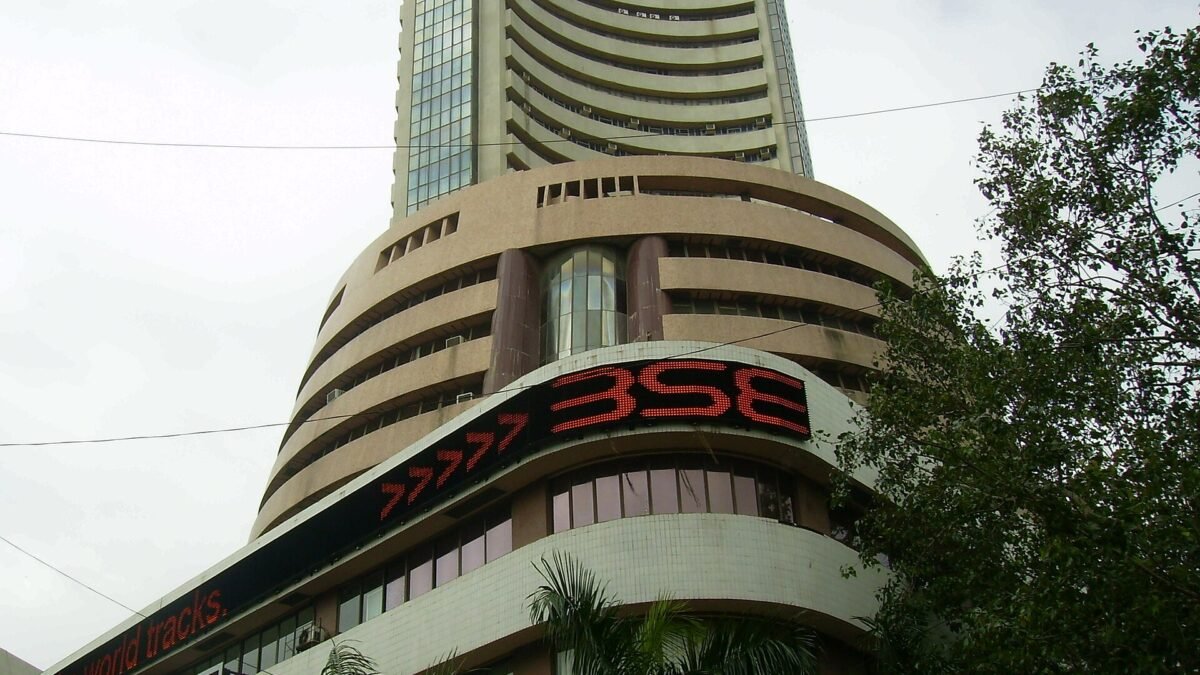
Indian headline equity benchmarks fell across the board on September 1, 2026, while the domestic currency lost ground against the U.S. dollar.
Key points
- BSE Sensex decreased by 0.68% to end at 76,944.28.
- Nifty 50 fell 0.63% to close at 24,055.80.
- Nifty Bank dropped 0.65% to finish the session at 57,409.60.
- USD/INR exchange rate rose 1.49% to settle at 94.94.
The benchmark Sensex and Nifty 50 closed lower on September 1, 2026, as domestic equity indices experienced selling pressure across multiple market segments. Data from exchange trades showed major broad-market benchmarks and banking sector indices recording moderate declines by the close of the session. Concurrently, the Indian rupee weakened against the U.S. dollar, adding to the day’s macroeconomic moves.
Sensex and Nifty 50 trading performance
The BSE Sensex closed at 76,944.28, representing a decline of 0.68% from its previous close of 77,472.94. During the trading day, the 30-share index fluctuated between an intraday low of 76,656.12 and a high of 77,231.87.
Similarly, the Nifty 50 settled at 24,055.80, down 0.63% from its prior session finish of 24,207.75. The 50-stock index moved between a lower bound of 23,952.55 and an upper bound of 24,143.15 throughout the trading hours. Tracking the headline performance, the Sensex and Nifty 50 remained under pressure for most of the session, finishing below their previous reference levels.
Banking index and currency movements
The financial services sector mirrored the overall market trend during the day’s trade. The Nifty Bank index dropped 0.65% to close at 57,409.60, compared to its previous closing level of 57,783.75. Intraday price action saw the banking benchmark trade within a range of 57,150.70 to 57,766.25.
In foreign exchange trading, the U.S. dollar showed strength against the Indian rupee. The USD/INR currency pair rose by 1.49% to settle at 94.94, up from the previous session’s close of 93.55. The exchange rate moved within an intraday range of 94.79 to 95.17.
Key market metrics summary
The closing metrics for the key Indian financial indicators on September 1, 2026, were recorded as follows:
- BSE Sensex: 76,944.28 (-0.68%, prev close: 77,472.94; day range: 76,656.12 – 77,231.87)
- Nifty 50: 24,055.80 (-0.63%, prev close: 24,207.75; day range: 23,952.55 – 24,143.15)
- Nifty Bank: 57,409.60 (-0.65%, prev close: 57,783.75; day range: 57,150.70 – 57,766.25)
- USD / INR: 94.94 (+1.49%, prev close: 93.55; day range: 94.79 – 95.17)
Impact of currency moves on Sensex and Nifty 50
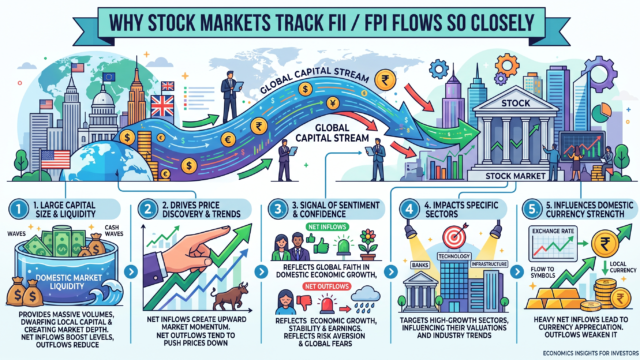
The interplay between equity indices and local currency valuations remains a key focal point for domestic and international investors. When broad market benchmarks like the Sensex and Nifty 50 experience downward pressure, currency market fluctuations often reflect broader shifts in capital allocation and global trade dynamics.
A weaker local currency can have diverse implications across corporate sectors. Import-heavy industries may face higher operational costs when foreign exchange rates rise, potentially pressuring short-term profit margins. Conversely, export-oriented businesses such as software services and pharmaceutical manufacturing often receive revenue support when foreign currency earnings are converted back into local currency terms.
Furthermore, currency movements are closely monitored by policy bodies like the Reserve Bank of India (RBI) and global institutional investors. Shifts in exchange rates can influence liquidity conditions, foreign portfolio flows, and broader economic sentiment over extended trading periods.
Understanding Sensex and Nifty 50 benchmark indices
Broad market stock indices serve as crucial indicators of economic activity and investor sentiment across the financial ecosystem. The BSE Sensex tracks 30 established, financially sound companies listed on the Bombay Stock Exchange, spanning key economic sectors. The Nifty 50 tracks 50 major blue-chip stocks listed on the National Stock Exchange of India, offering broad exposure to the country’s business landscape.
These equity benchmarks give institutional portfolio managers, fund managers, and retail investors a standardized mechanism to evaluate portfolio returns and track overall equity performance. Specialized sub-indices, such as the Nifty Bank, offer focused visibility into specific industry segments such as banking, lending institutions, and financial services.
Monitoring index performance alongside macroeconomic parameters like exchange rates helps market participants maintain long-term perspective and evaluate asset allocation strategies across varying market cycles.
Frequently asked questions
What were the closing levels for the Sensex and Nifty 50 on September 1, 2026? The BSE Sensex closed at 76,944.28, down 0.68%, while the Nifty 50 settled at 24,055.80, down 0.63% for the session.
How did the banking sector index perform during the trade? The Nifty Bank index fell 0.65% to close at 57,409.60, moving between a range of 57,150.70 and 57,766.25.
What was the closing rate for USD/INR on September 1, 2026? The USD/INR currency exchange rate rose 1.49% to finish at 94.94, compared to its prior closing level of 93.55.
This article is for information only and is not investment advice. Do your own research or consult a licensed adviser before investing.
Based on information published by MoneyPuran market data (public market data, CoinGecko). Source: MoneyPuran market data (public market data, CoinGecko). Spotted an error? corrections@moneypuran.com