 Money
Money
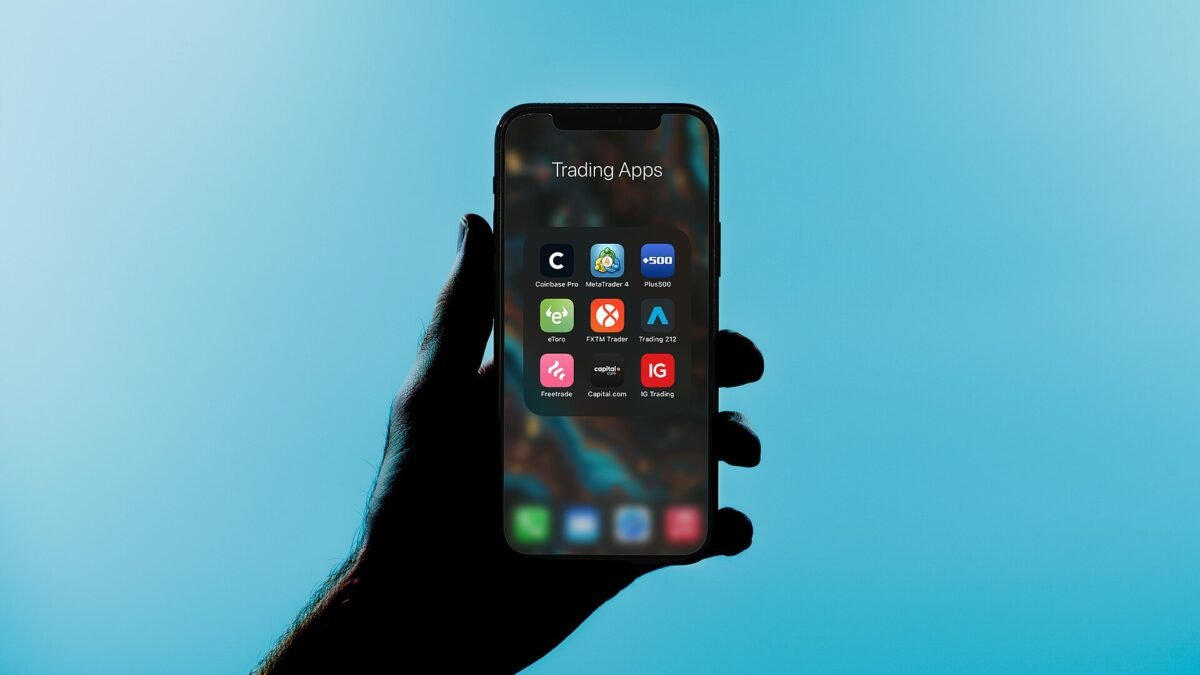
A comprehensive guide on understanding what a demat account is, how electronic shareholding works, and the simple step-by-step process to open one.
Key points
- A demat account holds shares and securities in electronic format instead of physical paper certificates.
- It operates through depositories like NSDL or CDSL and is accessed via a depository participant or broker.
- Opening an account requires standard KYC documents including a PAN card, Aadhaar, and bank proof.
- Investors also need a linked trading account to buy and sell securities in the stock market.
A demat account is an electronic repository that holds your shares, bonds, mutual funds, and other securities safely in digital format. Gone are the days of managing bulky paper certificates, forged signatures, and long postal delays. Today, whether you are investing for the long term or trading regularly, holding assets electronically is mandatory for participating in modern capital markets. Regulated strictly by the Securities and Exchange Board of India (SEBI), this digital ledger ensures smooth settlement and ownership transparency.
Understanding the demat account ecosystem
To fully grasp how a demat account functions, it helps to understand the underlying architecture. Retail investors do not deal directly with the central depositories; instead, they interact through intermediaries. The entire infrastructure relies on a few key pillars:
- Central Depositories: India has two main depositories—National Securities Depository Limited (NSDL) and Central Depository Services Limited (CDSL). They securely maintain all electronic shareholdings.
- Depository Participants (DPs): These are brokers, banks, or financial institutions registered with SEBI that act as agents connecting you to NSDL or CDSL.
- Trading Account: While your digital portfolio lives in your depository account, a separate trading account is required to place buy and sell orders on exchanges like the NSE and BSE.
What you need to open a demat account
Before initiating the paperwork, gather the necessary documentation required by Indian regulations for Know Your Customer (KYC) verification. Having these ready ensures a frictionless digital onboarding process:
- PAN card for mandatory tax and identity linkage.
- Aadhaar card linked to an active mobile number for OTP-based e-signing.
- Proof of bank account such as a cancelled cheque or recent bank statement.
- Proof of address (if different from Aadhaar, such as a utility bill or passport).
- Passport-size photograph or a live selfie for In-Person Verification (IPV).
Step by step: How to open a demat account
Most modern brokers allow fully digital, paperless onboarding within minutes if your Aadhaar is linked to your phone. Follow these standard steps to get started:
- Choose a registered Depository Participant or broker that aligns with your investing style and fee preferences.
- Visit their official website or download their mobile application to begin the registration process.
- Enter your mobile number and email address, verifying them via the One-Time Password (OTP) sent to you.
- Fill out the online application form with your personal details, income range, and occupation background.
- Upload clear digital copies of your PAN card, address proof, signature, and bank statement.
- Complete the Aadhaar-based e-KYC (DigiLocker integration) and finish the quick video-based In-Person Verification (IPV) selfie.
- Sign the agreement digitally using Aadhaar e-sign, after which your account credentials will be issued.
Associated costs and charges
Maintaining a demat account involves a few standard fees that vary depending on the chosen broker or bank. Understanding these charges helps avoid surprises:
You may encounter a one-time account opening fee, though many modern discount brokers offer free onboarding. Additionally, an Annual Maintenance Charge (AMC) is billed yearly to keep the digital vault active, alongside standard brokerage commissions and government levies whenever you execute market transactions.
US vs India: Holding securities
While India mandates a distinct demat account linked to NSDL or CDSL for stock ownership, the United States relies on a slightly different system. In the US, investors hold shares directly through brokerage accounts (such as Fidelity, Charles Schwab, or Robinhood) where the broker acts as the custodian of record or uses central clearing houses like DTC, eliminating the need for a separate standalone depository account designation for everyday retail investors.
Frequently asked questions
Can I hold multiple demat accounts? Yes, an investor can open multiple accounts with different depository participants, even under the same depository, provided they complete valid KYC for each.
Is a bank account mandatory? Yes, a functional bank account must be linked to your portfolio for transferring funds when buying shares and receiving dividend payouts directly.
What happens to my shares if my broker closes down? Your securities are held safely with NSDL or CDSL, not the broker. If a broker shuts down, you can easily transfer your holdings to another active provider.
This article is for general education and is not investment, tax or financial advice. Rules and figures change — check the official source or a licensed adviser before acting.
Official information: https://www.sebi.gov.in
This explainer is published by the MoneyPuran desk for general awareness. Rules, limits and rates change over time — please confirm with the official source. Corrections: corrections@moneypuran.com




[…] What Is a Demat Account and How to Open One […]