 Money
Money
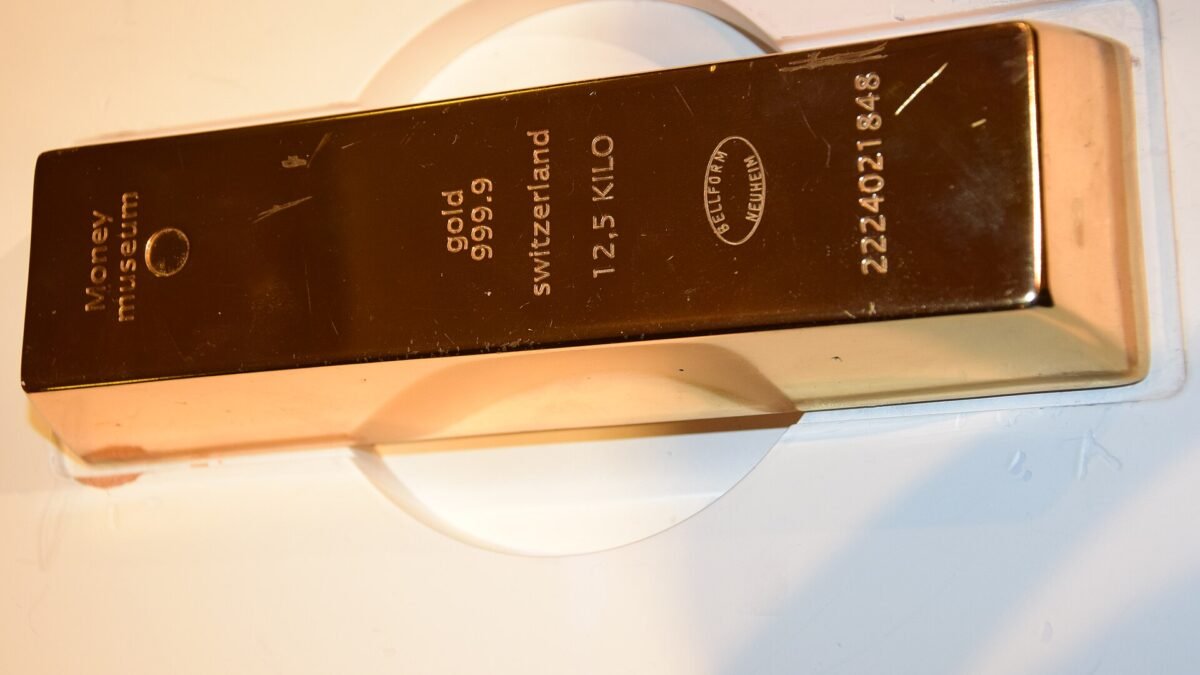
Understand the fundamental economic forces, safe-haven dynamics, and regional factors that move the precious metals market.
Key points
- The gold price typically rises when real interest rates fall and the US dollar weakens.
- Central bank purchases and geopolitical safe-haven demand provide strong price floors.
- Inflation hedging and long-term uncertainty make gold a portfolio staple in both the US and India.
Understanding the underlying drivers of the gold price requires looking past daily market noise at deep macroeconomic forces. Unlike equities or bonds, gold produces no cash flow, dividends, or interest payments. Because it has no yield, investors evaluate its worth relative to other assets, currency strength, and global risk conditions.
The Role of Real Interest Rates and the US Dollar
Real interest rates—nominal interest rates minus inflation—are one of the most powerful influences on the gold price. When real yields turn negative or decline, the opportunity cost of holding non-yielding gold drops, making it much more attractive to institutional and retail investors.
Additionally, because gold is globally priced in US dollars, a weakening greenback usually pushes the gold price higher for international buyers. Conversely, a rising dollar often creates downward pressure on the metal.
Inflation and Geopolitical Safe-Haven Demand
Investors traditionally turn to precious metals during periods of rising consumer prices and currency devaluation. While gold may not hedge every short-term inflation spike, it acts as a reliable store of value over multi-decade horizons.
Geopolitical conflict, banking crises, and systemic economic uncertainty also drive sudden spikes in the gold price. When financial markets panic, capital flees to traditional safe havens, increasing physical and paper demand worldwide.
Central Bank Reserves and Supply Mechanics
Central banks are major players in the bullion market, often buying gold to diversify their foreign exchange reserves away from fiat currencies. Heavy net buying by official institutions helps support the gold price during periods of sluggish retail investment.
On the supply side, annual mine production is relatively inelastic. It takes years and significant capital to bring new mining projects online, meaning sudden surges in global demand cannot be easily met by a quick ramp-up in supply.
US vs India: Market Mechanics and Local Variations
While global benchmark rates are set on international exchanges like COMEX or the London Bullion Market Association (LBMA), local dynamics matter greatly for retail buyers in different countries.
- United States: Investors focus heavily on macro data releases, Treasury yields, exchange-traded funds (ETFs), and Federal Reserve policy statements.
- India: Cultural affinity creates robust physical demand tied to wedding seasons and festivals like Diwali. Local retail pricing also incorporates government import duties, domestic taxes, and rupee-to-dollar exchange rates.
Frequently asked questions
Does gold pay any dividends or interest? No, gold is a sterile asset that generates no income, meaning investors rely entirely on capital appreciation.
Why do central banks buy gold? Central banks accumulate gold to diversify reserves, reduce reliance on foreign fiat currencies, and strengthen national balance sheets.
How does inflation affect the metal? Persistent inflation erodes purchasing power, prompting investors to seek hard assets like gold to preserve wealth over time.
This article is for general education and is not investment, tax or financial advice. Rules and figures change — check the official source or a licensed adviser before acting.
Official information: https://www.federalreserve.gov
This explainer is published by the MoneyPuran desk for general awareness. Rules, limits and rates change over time — please confirm with the official source. Corrections: corrections@moneypuran.com