 Money
Money
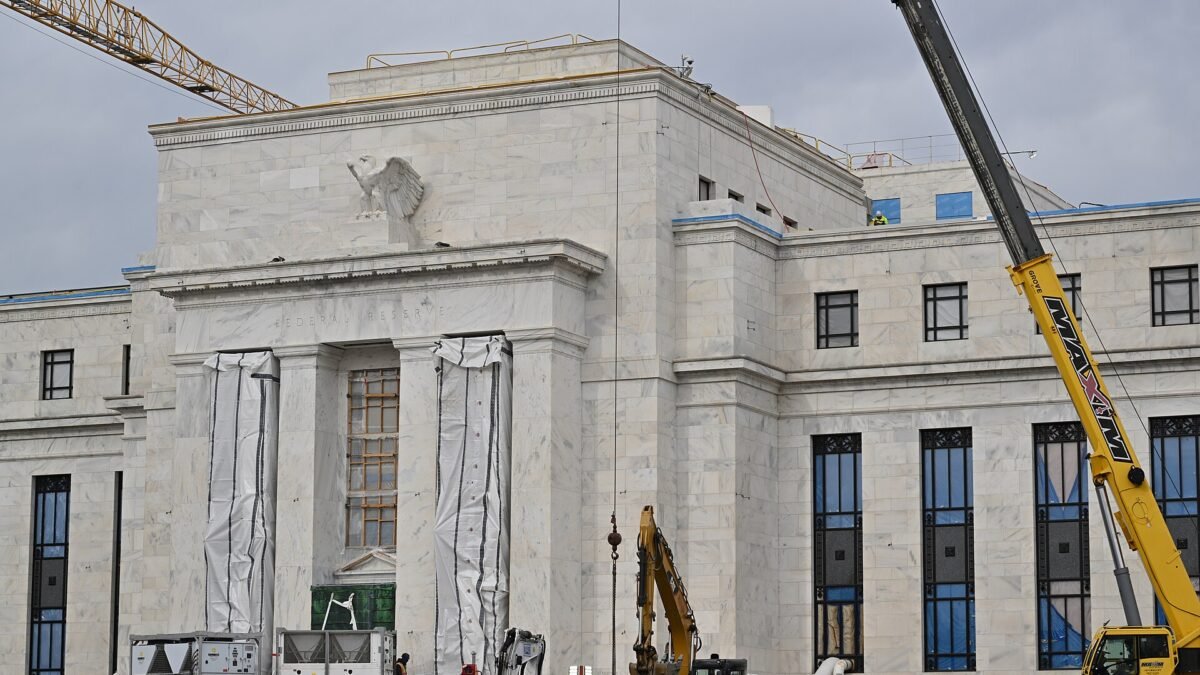
The Federal Reserve Board is soliciting public comments on a draft rule to update insider credit limits for bank executives and directors for the first time since 1979.
Key points
- The Federal Reserve Board requested public comment on updating Regulation O for bank insider credit extensions.
- This marks the first comprehensive modernization of the bank insider lending framework since 1979.
- The proposed rule indexes dollar thresholds to future economic growth and clarifies passive fund holdings.
- Vice Chair for Supervision Michelle W. Bowman stated the updates will help community banks recruit board members.
- A 60-day public comment window opens upon publication of the proposal in the Federal Register.
The Federal Reserve Board has officially requested public comment on a new Fed Regulation O proposal designed to modernize long-standing rules that govern how banks extend credit to executive officers, directors, and principal shareholders. Announced on July 31, 2026, the sweeping initiative seeks to streamline outdated regulatory requirements while maintaining stringent safeguards against preferential lending practices.
Regulation O has served as the primary regulatory framework overseeing insider credit extensions for decades. However, the rule has not received a comprehensive update since 1979, leaving many of its financial thresholds tied to economic metrics established nearly half a century ago. Under the current structure, financial institutions face administrative burdens when extending standard credit products to qualified insiders, including civic leaders and local entrepreneurs serving on community bank boards.
To resolve these historical friction points, the U.S. central bank proposed framework introduces key updates aimed at reflecting modern financial conditions. The draft rule adjusts dollar-based lending limits and establishes an automatic indexing mechanism to adjust those thresholds in step with future broader economic growth. Additionally, the proposal codifies existing statutory mandates, incorporates long-standing informal regulatory guidance into official code, and clarifies requirements surrounding passive equity stakes held by institutional investment funds.
Understanding the New Fed Regulation O Changes
The updated Fed Regulation O measures specifically target structural friction that affects small and regional banking institutions. In many mid-sized cities and rural communities across the United States, bank board members and senior executives double as prominent local business owners. Because these leaders often require business credit lines or mortgage facilities from local lenders, rigid and outdated insider lending caps have complicated routine commercial transactions and hindered director recruitment.
By indexing insider credit caps to macroeconomic growth metrics, the Federal Reserve intends to ensure that credit thresholds adjust dynamically without requiring frequent legislative or administrative interventions. The modernization also addresses passive fund investments. Under existing practices, investment funds taking non-controlling, passive positions in banking organizations occasionally triggered complex insider lending rules across affiliated companies. The proposed revisions reduce unnecessary regulatory filings for passive equity holdings while keeping core safety standards intact.
Key Provisions of the Insider Lending Proposal
To summarize the key parameters of the central bank announcement, the draft regulatory changes establish several operational guidelines for financial institutions:
- First Major Revision Since 1979: The central bank proposal marks the first comprehensive modernization of insider lending rules in 47 years.
- Threshold Indexing: Fixed dollar-based lending caps will be linked directly to future U.S. economic growth indicators.
- Passive Investment Relief: The draft rule exempts passive, non-controlling equity stakes held by investment funds from burdensome insider checks.
- Public Comment Window: Interested market participants and the public have 60 days following Federal Register publication to submit feedback.
- Regulatory Scope: The rule governs extensions of credit to executive officers, directors, and principal shareholders across all member banks and bank holding companies.
Why the Fed Regulation O Overhaul Matters for Banks
The practical implications of the Fed Regulation O modernization reach beyond mere compliance adjustments. Federal Reserve Vice Chair for Supervision Michelle W. Bowman highlighted the governance advantages of updating the rules, noting that community lenders routinely face hurdles when trying to recruit experienced business directors. When skilled local executives face restrictive regulatory hurdles simply for maintaining standard banking relationships with the institutions they advise, qualified candidates can be discouraged from accepting board appointments.
Vice Chair Bowman noted that the proposal recognizes the immense value local business leaders bring to bank governance. By providing clearer and more straightforward standards, the central bank aims to preserve essential protections against conflicts of interest while encouraging knowledgeable entrepreneurs to lend their expertise to regional bank boards. The rule revision process also includes statements from other board members, including Governor Barr, reflecting central bank oversight.
From a compliance and operational perspective, streamlining these insider transaction rules will allow bank legal departments to reduce overhead costs tied to reviewing benign insider credit lines. By reducing unnecessary technical violations stemming from outdated dollar caps, bank compliance officers can focus regulatory resources on identifying true safety and soundness risks.
Market Context and Industry Response
While the proposed rule changes do not directly alter capital requirements or monetary policy, they represent a meaningful regulatory update for the U.S. commercial banking system. Compliance costs have steadily escalated over the past decade following major statutory overhauls, placing a disproportionate burden on smaller institutions that lack massive legal departments.
Clearer insider credit guidelines also reduce legal uncertainty for institutional asset managers that take broad equity positions across the U.S. banking sector. By clarifying that passive holdings by mutual funds or index funds will not inadvertently classify underlying portfolio companies as bank insiders, the Fed provides welcome clarity for institutional investors and bank holding companies alike.
Frequently asked questions
What is the Fed Regulation O proposal? The Fed Regulation O proposal is a regulatory initiative by the Federal Reserve Board to modernize the rules governing credit extended to bank executives, directors, and major shareholders by updating outdated dollar thresholds and indexing them to economic growth.
Why are insider lending rules being updated now? Regulation O has not undergone a comprehensive overhaul since 1979. Modernizing the rule removes outdated financial caps, reduces administrative friction for passive fund holdings, and helps community banks recruit experienced local business leaders to their boards.
How long is the public comment period for this proposal? The Federal Reserve Board has opened a 60-day public comment period, which begins officially once the proposal is published in the Federal Register.
This article is for information only and is not investment advice. Do your own research or consult a licensed adviser before investing.
Based on information published by U.S. Federal Reserve Board. Source: U.S. Federal Reserve Board. Spotted an error? corrections@moneypuran.com




[…] Federal Reserve Proposes Updates to Fed Regulation O Rules […]