 Money
Money
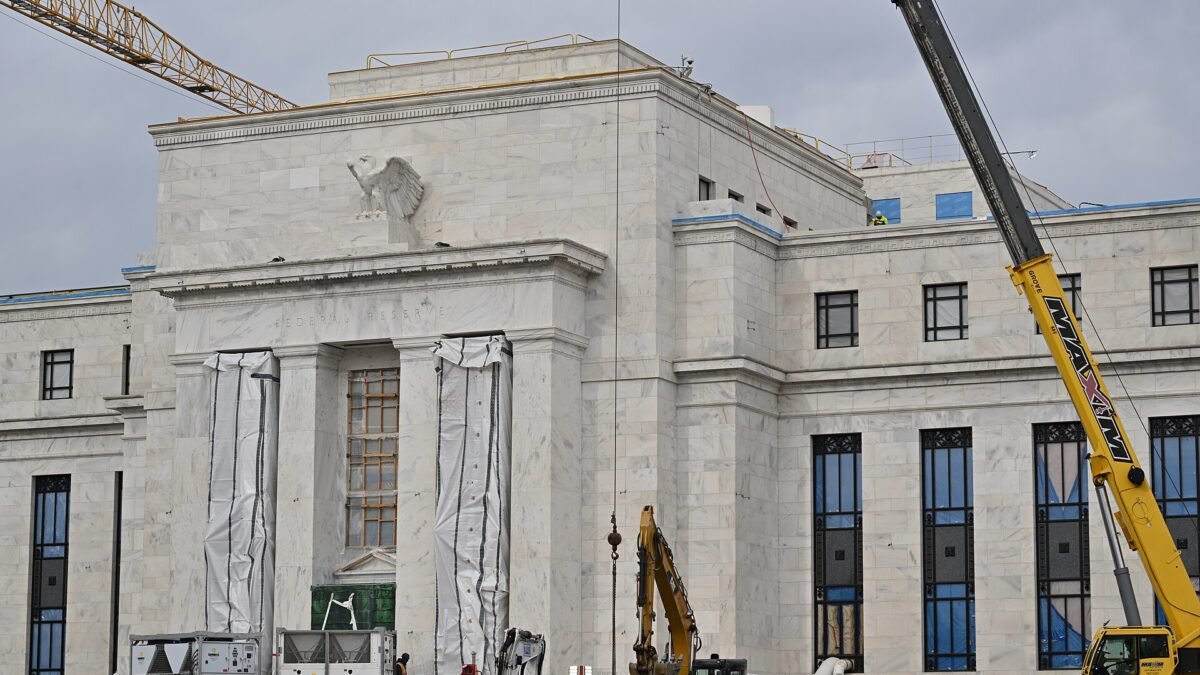
The U.S. Federal Reserve Board has requested public comments on proposed updates to mutual bank rules, aiming to streamline capital raising and reduce legacy regulatory burdens.
Key points
- The Federal Reserve Board requested public comment on modernizing mutual bank regulations established in 1993.
- More than 90 percent of mutual banking institutions hold less than $3 billion in total assets.
- The proposed rule updates seek to clarify capital instruments and reduce procedural burdens for depositor-owned banks.
- Federal supervision was transferred to the Fed from the Office of Thrift Supervision in 2011.
- Public comments on the Fed proposal are due 60 days after Federal Register publication.
The U.S. Federal Reserve Board has issued a formal request for public comment on a proposal designed to revamp federal mutual bank rules across the nation’s financial sector. This comprehensive effort marks the first significant update to the regulatory framework governing mutual banking organizations in over three decades. Mutual banks represent a unique segment of the American financial system because they are owned entirely by their depositors rather than private shareholders or public equity investors. By updating these outdated standards, federal regulators aim to reduce administrative friction and enhance operational flexibility for hundreds of community-focused lenders.
The Board of Governors officially assumed supervisory and regulatory oversight over mutual holding companies and mutual banking entities from the now-defunct Office of Thrift Supervision back in 2011. However, the core governing regulations applied to these entities were originally established in 1993 and have remained largely unchanged since then. Over time, financial institutions and regulatory officials have increasingly noted that these legacy framework standards have become overly complex and unnecessarily burdensome for smaller institutions to navigate.
Overview of proposed mutual bank rules
Under the new framework released by central bank officials, the proposed revisions seek to modernize existing compliance standards while preserving the fundamental cooperative structure of mutual institutions. According to Federal Reserve statistics, more than 90 percent of mutual banking organizations currently operate with less than $3 billion in total consolidated assets. These smaller balance sheets mean that routine administrative complexity can impose a disproportionately heavy operational burden on mutual institutions compared to large commercial banks.
Federal Reserve Vice Chair for Supervision Michelle W. Bowman highlighted the importance of these regulatory adjustments in an official statement accompanying the release. Bowman noted that updating mutual bank rules represents a critical step toward creating a more efficient and modernized bank regulatory environment. She emphasized that preserving institutional diversity across the banking sector is one of the underlying strengths of the U.S. financial network.
By streamlining procedural requirements, the central bank aims to give depositor-owned institutions clearer pathways to conduct routine business operations and adapt to modern financial technology. The proposal specifically focuses on providing greater flexibility for mutual organizations when they need to raise regulatory capital. Furthermore, the draft rules clarify precisely which financial instruments qualify as recognized regulatory capital under federal guidelines.
- A 60-day public comment window following official publication in the Federal Register.
- First major overhaul of mutual holding company regulations since their creation in 1993.
- Streamlined regulatory compliance benefiting institutions where over 90 percent hold under $3 billion in assets.
- Regulatory framework transfer tracing back to the 2011 dissolution of the Office of Thrift Supervision.
- Clarified definitions for eligible regulatory capital instruments to improve balance sheet management.
Why capital access under mutual bank rules is changing
One of the primary challenges long faced by mutual banks stems from their unique ownership structure. Because mutual banking organizations do not issue publicly traded stock, traditional equity capital markets are generally unavailable to them. When conventional commercial banks need to bolster their tier one capital ratios or expand operations, they can issue new shares of common stock. Mutual institutions, by contrast, must rely heavily on retained earnings or specialized debt-like instruments to build regulatory capital reserves.
The proposed revisions to mutual bank rules aim to ease these restrictions by establishing straightforward guidelines for capital instruments tailored to depositor-owned banks. By clarifying which funding mechanisms qualify as capital, the Federal Reserve intends to give mutual managers better tools to strengthen their balance sheets without forcing them to demutualize or convert into stock-owned corporations.
This regulatory relief is intended to foster growth in local economies where mutual institutions operate. Many mutual banks function as community lenders, providing residential mortgages, small business loans, and personal credit in underserved or regional markets. Regulatory burdens that restrict their capital flexibility can directly reduce their ability to extend credit to local borrowers and small business owners.
Historical background and supervision of mutual institutions
To understand the significance of these modern mutual bank rules, it is helpful to review the regulatory history of thrift and mutual supervision in the United States. Following the 2008 global financial crisis, the U.S. Congress passed the Dodd-Frank Wall Street Reform and Consumer Protection Act of 2010. Among its many provisions, Dodd-Frank abolished the Office of Thrift Supervision and transferred supervisory responsibility for savings and loan holding companies and mutual holding companies to the Federal Reserve Board in July 2011.
Although the Fed took over supervision in 2011, the underlying substantive rules governing mutual holding company operations remained rooted in the standards drafted in 1993. Over the subsequent years, changes in technology, accounting standards, and general risk management practices rendered those 1990s-era rules increasingly outdated. Regulators and industry advocates have long argued that a modern financial ecosystem requires updated rules tailored to contemporary economic conditions.
The public feedback period will allow community bankers, industry representatives, consumer advocates, and market participants to submit detailed suggestions on the draft text. The Federal Reserve will review all public comments submitted during the 60-day window following Federal Register publication before drafting a final rule.
Frequently asked questions
What is a mutual banking organization? A mutual banking organization is a financial institution owned by its depositors rather than stock shareholders. Profits are typically retained as capital or returned to depositors through better rates and lower fees.
Why is the Federal Reserve updating these regulations now? The existing regulations were drafted in 1993 and have not been comprehensively updated in over 30 years. Modernizing the rules reduces procedural burdens and provides clearer rules for raising regulatory capital.
How long is the comment period for the proposal? The Federal Reserve is soliciting public feedback for 60 days following the publication of the proposal in the Federal Register.
This article is for information only and is not investment advice. Do your own research or consult a licensed adviser before investing.
Based on information published by U.S. Federal Reserve Board. Source: U.S. Federal Reserve Board. Spotted an error? corrections@moneypuran.com




[…] Fed Proposes Modernizing Mutual Bank Rules for First Time in 30 Years […]