 Money
Money
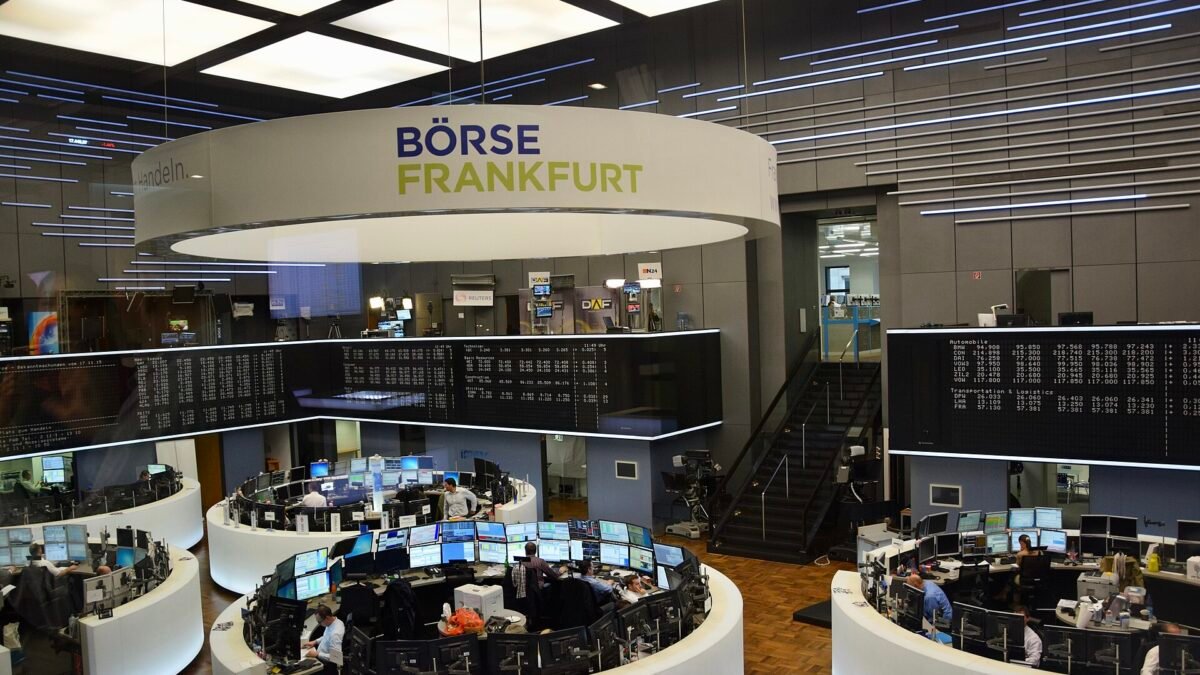
A comprehensive guide for retail investors on understanding initial public offerings, navigating share allotments, and participating safely in US and Indian markets.
Key points
- An initial public offering allows private companies to raise public capital by issuing shares.
- US retail investors typically buy shares after listing, while Indian retail investors can bid via ASBA and UPI during the offer window.
- Always read the prospectus or draft red herring prospectus to evaluate business risks and financials.
- Oversubscribed public offers often rely on automated lotteries to allocate shares fairly.
Understanding what is an ipo is essential for anyone looking to build a diversified portfolio in the modern stock market. An initial public offering (IPO) is the landmark financial event when a private company first sells its shares to the general public, transitioning from private ownership to publicly traded status. Companies pursue this route to raise expansion capital, pay off early debt, and provide liquidity for founders and early venture investors.
Defining what is an ipo and why companies list
At its core, answering what is an ipo involves looking behind the scenes at corporate growth. Before listing, a company is owned by a small group of founders, employees, and venture capitalists. By offering stock to the public on exchanges like the NYSE, Nasdaq, NSE, or BSE, the firm taps into a vast pool of global capital.
Going public brings significant prestige and transparency, but it also imposes strict regulatory oversight. Publicly listed firms must disclose their financial performance, governance structures, and operational risks on a regular basis. Regulators like the SEC in the United States and SEBI in India enforce these disclosure rules to protect everyday participants.
How the process works: US vs India
The mechanics of how public offerings unfold differ noticeably between major financial jurisdictions. Knowing these structural variations helps retail participants align their expectations.
- United States: Investment banks act as underwriters, pricing the shares the night before trading begins. The vast majority of pre-listing shares are allocated to large institutional buyers like mutual funds and pension plans. US retail investors typically purchase shares after trading commences on the open market.
- India: The market features a standardized bidding window typically lasting three working days. Companies announce a price band, and retail investors can bid directly for lots using applications supported by blocked amount (ASBA) or Unified Payments Interface (UPI) mechanisms through their bank or broker apps.
Step by step: How retail investors can apply
- Open a brokerage account: Ensure your investment or demat account is fully verified and active.
- Read the prospectus: Review the company’s official filing (prospectus or DRHP) to examine its business model, revenue growth, and specific risk factors.
- Determine your bid: Decide whether to bid at the cut-off price or a specific limit within the announced price band.
- Submit payment authorization: Block the required application funds securely via your net banking app or UPI mandate.
- Wait for allotment: If the offering is heavily oversubscribed, shares are distributed via a computerized lottery system rather than on a first-come, first-served basis.
Key risks to consider before participating
While public offerings often generate significant media excitement, they carry inherent volatility. Newly listed companies lack a long track record as public entities, and their share prices can swing wildly on their first day of trading. Furthermore, hype does not guarantee long-term business profitability. Always evaluate the fundamental value of the enterprise rather than relying solely on short-term market sentiment.
Frequently asked questions
Can I guarantee getting shares if I apply? No. If an offering is oversubscribed, many retail applicants receive zero shares, and blocked funds are subsequently released back to their accounts.
What is the grey market? The grey market is an unofficial, unregulated market where shares change hands prior to official stock exchange listing. Regulators discourage its use due to high counterparty risk.
Where can I find official details on upcoming listings? You can check official regulatory portals such as investor.gov in the US or sebi.gov.in and exchange websites in India.
This article is for general education and is not investment, tax or financial advice. Rules and figures change — check the official source or a licensed adviser before acting.
Official information: https://www.investor.gov
This explainer is published by the MoneyPuran desk for general awareness. Rules, limits and rates change over time — please confirm with the official source. Corrections: corrections@moneypuran.com


[…] What is an IPO and How Do Retail Investors Apply? […]