 Money
Money

Gold and silver experienced notable declines as the U.S. dollar strengthened, while crude oil prices rallied and digital assets traded in narrow bands.
Key points
- Gold futures dropped 2.81% to $4,507.80 per ounce, while silver fell 2.27% to $67.08 per ounce.
- WTI crude oil surged 3.00% to $84.83 per barrel, and Brent crude gained 1.23% to $89.67.
- Bitcoin rose slightly by 0.34% to $78,431.00, while Ethereum gained 0.74% to $2,469.46.
- The U.S. Dollar Index (DXY) rose 0.78% to reach 99.69.
Investors tracking crypto and commodities witnessed a mixed session on August 30, 2026, as precious metals faced selling pressure while crude oil prices registered notable gains. Digital assets traded within narrow ranges, with Bitcoin hovering near the $78,430 mark and Ethereum posting modest upside. Meanwhile, a stronger U.S. dollar weighed on gold and silver prices during international trading hours.
Precious metals retreat in crypto and commodities trade
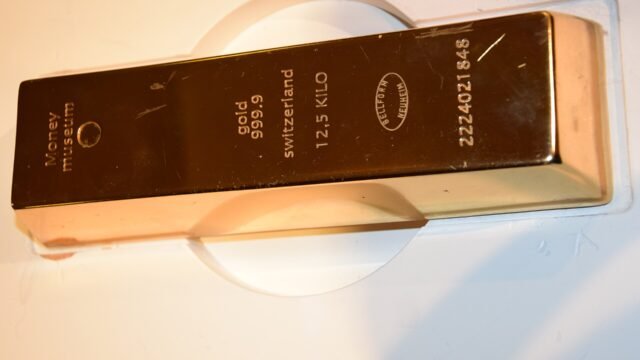
In the metals space, COMEX front-month gold futures dropped 2.81 percent to settle at $4,507.80 per ounce. This decline followed a previous close of $4,638.10, with intraday trading spanning a range between $4,475.00 and $4,515.90. The pull-back in gold highlighted shifting investor sentiment across global asset markets during the session.
Silver futures echoed the downward trajectory of gold, falling 2.27 percent to reach $67.08 per ounce. The silver contract moved from a previous close of $68.64, trading between a daily low of $65.83 and a high of $67.19. Observers often view precious metals as traditional hedges against macroeconomic uncertainty and inflation risk.
A key factor influencing dollar-denominated assets during the session was the strength of the greenback. The U.S. Dollar Index (DXY) advanced 0.78 percent to 99.69, moving up from its prior close of 98.92 and trading in a tight daily band of 99.69 to 99.71. A firmer U.S. dollar generally increases the transaction costs of dollar-priced raw materials for foreign buyers, placing pressure on metal valuations.
Energy markets surge in crypto and commodities market
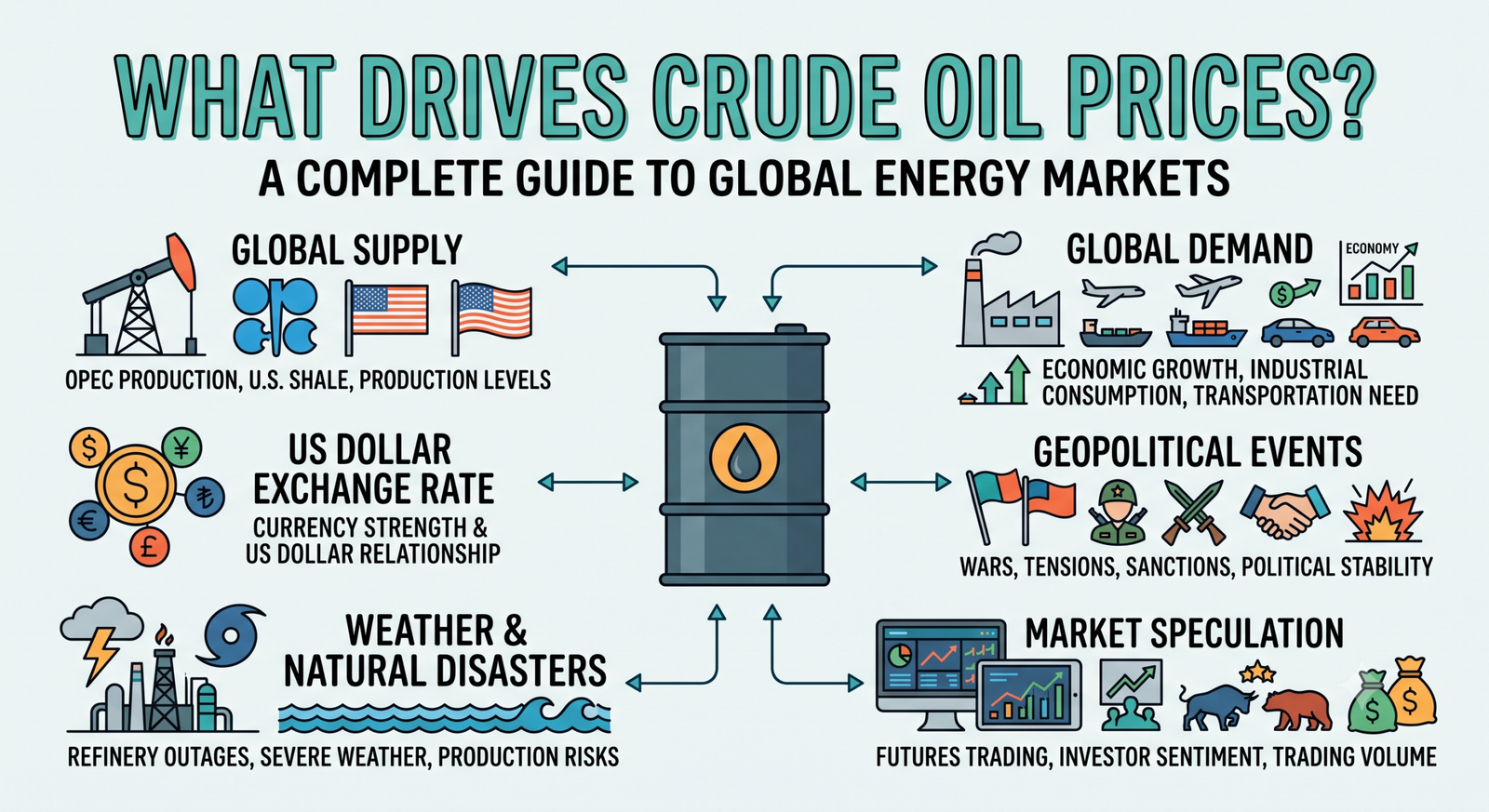
While metals pulled back, energy products posted solid advances across international exchanges. West Texas Intermediate (WTI) crude oil surged 3.00 percent to trade at $84.83 per barrel, rising from a previous settlement of $82.36. During intraday trading, WTI moved between $84.53 and $85.69 per barrel, signaling strong spot market demand.
Brent crude oil, the international benchmark, also gained ground, rising 1.23 percent to $89.67 per barrel. Brent had closed at $88.58 in the previous session and traversed a daily range of $89.31 to $90.62 per barrel. Energy prices remain vital indicators for global economic momentum and macroeconomic inflation expectations.
Analyzing broader energy movements alongside digital asset benchmarks provides valuable insight into general investor risk tolerance. When energy costs rise, market participants closely assess potential supply-chain costs and overall consumer spending dynamics. The divergence between rising energy benchmarks and falling precious metals reflects nuanced reallocations across global market sectors.
Digital asset benchmarks hold steady
In the cryptocurrency market, major digital assets displayed steady trading patterns over the 24-hour evaluation period. Bitcoin, the largest cryptocurrency by market capitalization, edged up 0.34 percent to $78,431.00. The leading token maintained stability above key psychological support levels, reflecting moderate buying interest.
Ethereum also recorded mild upside, gaining 0.74 percent to trade at $2,469.46 over the 24-hour cycle. In contrast, select alternative tokens experienced minor retracements. Solana slipped 1.52 percent to $103.63, while XRP fell 0.51 percent to trade at $1.39. Digital assets often experience distinct liquidity conditions relative to physical raw materials, operating on continuous global trading networks.
Key data points for crypto and commodities
Below is a summary of key performance data recorded for major crypto and commodities assets on August 30, 2026:
- Bitcoin (BTC): $78,431.00 (+0.34% 24h move)
- Ethereum (ETH): $2,469.46 (+0.74% 24h move)
- Solana (SOL): $103.63 (-1.52% 24h move)
- XRP: $1.39 (-0.51% 24h move)
- COMEX Gold: $4,507.80 per ounce (-2.81%, intraday range $4,475.00–$4,515.90)
- COMEX Silver: $67.08 per ounce (-2.27%, intraday range $65.83–$67.19)
- WTI Crude Oil: $84.83 per barrel (+3.00%, intraday range $84.53–$85.69)
- Brent Crude Oil: $89.67 per barrel (+1.23%, intraday range $89.31–$90.62)
- U.S. Dollar Index (DXY): 99.69 (+0.78%, intraday range 99.69–99.71)
Understanding asset class dynamics for investors
Navigating modern financial markets requires a comprehensive understanding of how alternative assets behave under varying economic conditions. Precious metals, energy commodities, foreign exchange rates, and digital assets each fulfill unique roles within a diversified investment portfolio. Investors regularly monitor these benchmark figures to evaluate systemic market liquidity and broader economic trends.
Precious metals such as gold and silver are historically categorized as store-of-value assets. During periods of economic volatility or currency depreciation, physical metals often draw capital inflows from institutions seeking risk reduction. Conversely, when real yields rise or the foreign exchange value of the reserve currency strengthens, non-yielding physical commodities can experience valuation headwinds.
Energy commodities like WTI and Brent crude act as core inputs for global industrial production, transportation, and consumer activity. Changes in energy valuations directly influence transportation overhead, industrial input costs, and consumer price indices. Consequently, significant shifts in crude oil pricing frequently ripple through broader equity and fixed-income markets.
Cryptocurrencies operate on decentralized blockchain networks, offering non-traditional settlement mechanisms and digital asset exposure. While digital tokens display higher volatility profiles compared to traditional commodities, their continuous global trading architecture makes them sensitive real-time indicators of speculative market appetite and digital liquidity.
Frequently asked questions
What impacted gold and silver prices on August 30, 2026? Gold fell 2.81 percent to $4,507.80 per ounce and silver dropped 2.27 percent to $67.08 per ounce, co-occurring with a 0.78 percent gain in the U.S. Dollar Index.
How did crude oil perform during the session? WTI crude oil advanced 3.00 percent to $84.83 per barrel, while Brent crude oil rose 1.23 percent to $89.67 per barrel.
Where did major cryptocurrencies trade? Bitcoin traded up 0.34 percent at $78,431.00, Ethereum gained 0.74 percent to $2,469.46, Solana fell 1.52 percent to $103.63, and XRP declined 0.51 percent to $1.39.
This article is for information only and is not investment advice. Do your own research or consult a licensed adviser before investing.
Based on information published by MoneyPuran market data (public market data, CoinGecko). Source: MoneyPuran market data (public market data, CoinGecko). Spotted an error? corrections@moneypuran.com


[…] Crypto and Commodities Today: Bitcoin Holds Steady as Gold Slips […]