 Money
Money
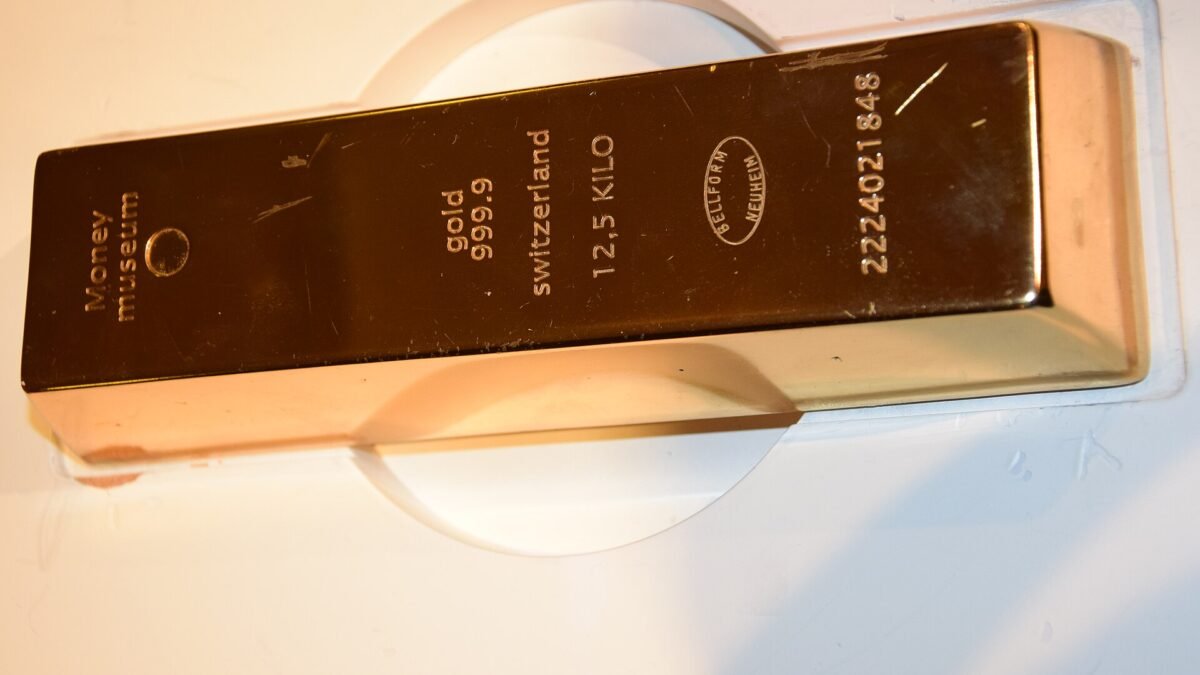
Evaluating whether you should i buy gold now requires looking past daily price headlines and focusing on portfolio diversification, real interest rates, and long-term asset allocation.
Key points
- Gold functions best as a portfolio diversifier and inflation hedge rather than a short-term trading bet.
- Major price drivers include real interest rates, US dollar strength, central bank demand, and geopolitical risk.
- Financial planners generally recommend capping exposure at 5% to 10% of a balanced portfolio.
- Investment options range from physical bars and coins to Sovereign Gold Bonds and gold ETFs.
Deciding whether should i buy gold now is a common dilemma for investors navigating uncertain economic waters in 2026. Rather than trying to time short-term price movements or catch market peaks, smart financial planning treats gold as a strategic allocation tool. This precious metal has served as a store of value for millennia, but its role in a modern portfolio is specific and measured.
Why investors ask if they should i buy gold now
Market volatility, shifting inflation figures, and geopolitical tensions frequently push investors to question if they should i buy gold now. Gold typically reacts to macroeconomic conditions rather than corporate earnings. When fiat currencies face pressure or global uncertainty spikes, investors often look to bullion for stability.
However, attempting to time the market rarely works out over the long run. Professional investors rarely bet their entire strategy on a single commodity. Instead, they evaluate how gold fits into their overall wealth framework alongside equities and fixed-income assets.
Core drivers of gold prices
Understanding what moves gold helps clarify why absolute price predictions are unreliable. The most influential market forces include real interest rates, currency valuations, and central bank reserve policies.
- Real interest rates: When inflation-adjusted yields on government bonds fall, the opportunity cost of holding non-yielding gold decreases.
- US dollar strength: Because global gold is priced in dollars, a weaker US currency often correlates with higher bullion prices.
- Central bank buying: Sovereign institutions diversifying reserves away from foreign currencies provide a strong underlying price floor.
- Geopolitical risk: Safe-haven demand surges during international conflicts or systemic banking stress.
How to decide your ideal gold allocation
Before jumping into the market, you must decide what percentage of your wealth should be tied to commodities. Financial advisors commonly suggest keeping gold to a modest 5% to 10% slice of your total net worth. This range is large enough to cushion a portfolio during severe equity downturns, yet small enough not to drag down long-term growth.
Rebalancing is essential to maintain this target. If equity markets rally and your gold portion drops below your threshold, you trim stocks to buy gold. If gold spikes, you trim gold to buy equities, effectively forcing a buy-low, sell-high discipline.
US vs India: How holding methods differ
The mechanics of purchasing and holding gold vary significantly depending on your geographical jurisdiction and tax laws.
In the United States, investors typically gain exposure via physical bullion stored in secure depositories, gold exchange-traded funds (ETFs) held in brokerage accounts, or mining stocks. Capital gains taxes apply upon sale, governed by IRS regulations.
In India, gold holds deep cultural significance alongside its investment appeal. Traditional physical jewelry carries heavy making charges and GST, making it less efficient as a pure investment. More cost-effective alternatives include government-backed Sovereign Gold Bonds (SGBs), domestic gold ETFs, and digital gold products regulated by national authorities.
Frequently asked questions
Is gold a guaranteed hedge against inflation? Over very long multi-decade horizons, gold tends to preserve purchasing power. However, it can experience prolonged multi-year drawdowns while consumer prices rise.
Should I buy physical gold or paper gold? Physical gold offers tangible ownership without counterparty risk but incurs storage costs and dealer premiums. Paper gold (ETFs or sovereign bonds) offers high liquidity and low transaction costs.
Can gold replace stocks in a retirement portfolio? No. Unlike stocks, gold produces no cash flow, dividends, or corporate earnings. It serves as an insurance policy and diversifier, not a growth engine.
This article is for general education and is not investment, tax or financial advice. Rules and figures change — check the official source or a licensed adviser before acting.
Official information: https://www.investor.gov
This explainer is published by the MoneyPuran desk for general awareness. Rules, limits and rates change over time — please confirm with the official source. Corrections: corrections@moneypuran.com