 Money
Money
An in-depth guide to understanding raw material assets, market drivers, and how everyday investors gain exposure in both the US and India.
Key points
- Commodities are basic physical goods grouped into energy, metals, and agriculture.
- Prices are driven globally by supply and demand, weather, geopolitics, and currency movements.
- Investors can gain exposure through futures contracts, exchange-traded funds (ETFs), or shares of producer companies.
- In India, commodity futures trade on specialized exchanges regulated by SEBI.
When exploring raw global markets, understanding what are commodities is the first essential step for any diversified portfolio. Simply put, commodities are basic physical goods or raw materials that are interchangeable with other goods of the same type. Whether mined from the earth, grown in fields, or extracted from deep underground, these materials form the building blocks of the entire global economy.
Understanding what are commodities and their main types
To truly grasp what are commodities, it helps to look at how they are categorized. They are generally split into three major sectors:
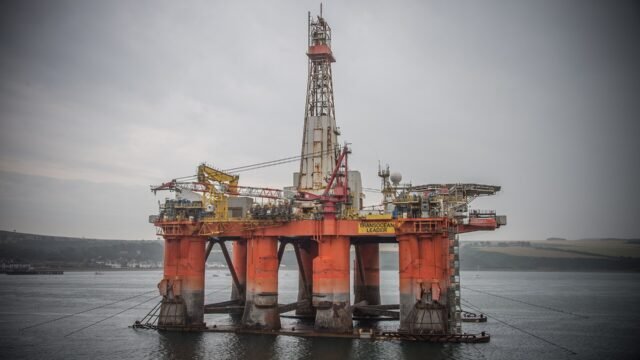
- Energy: Includes crude oil, natural gas, heating oil, and gasoline, which power global transport and industry.
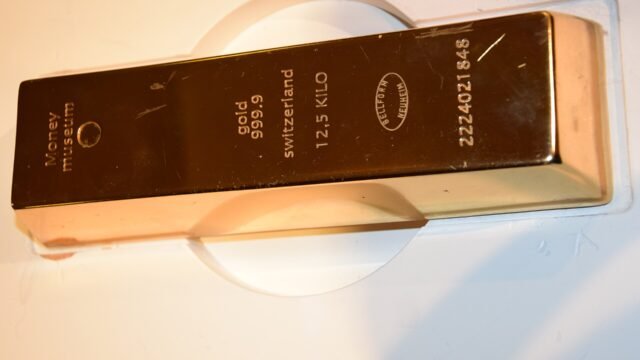
- Metals: Comprises precious metals like gold and silver used for hedging and jewelry, alongside industrial metals like copper and aluminum.
- Agriculture: Consists of staple crops and soft commodities such as wheat, corn, coffee, sugar, and cotton.
Because one barrel of crude oil or one bushel of wheat is largely identical regardless of who produces it, these items trade on massive centralized exchanges based on standardized grades.
How commodity prices move
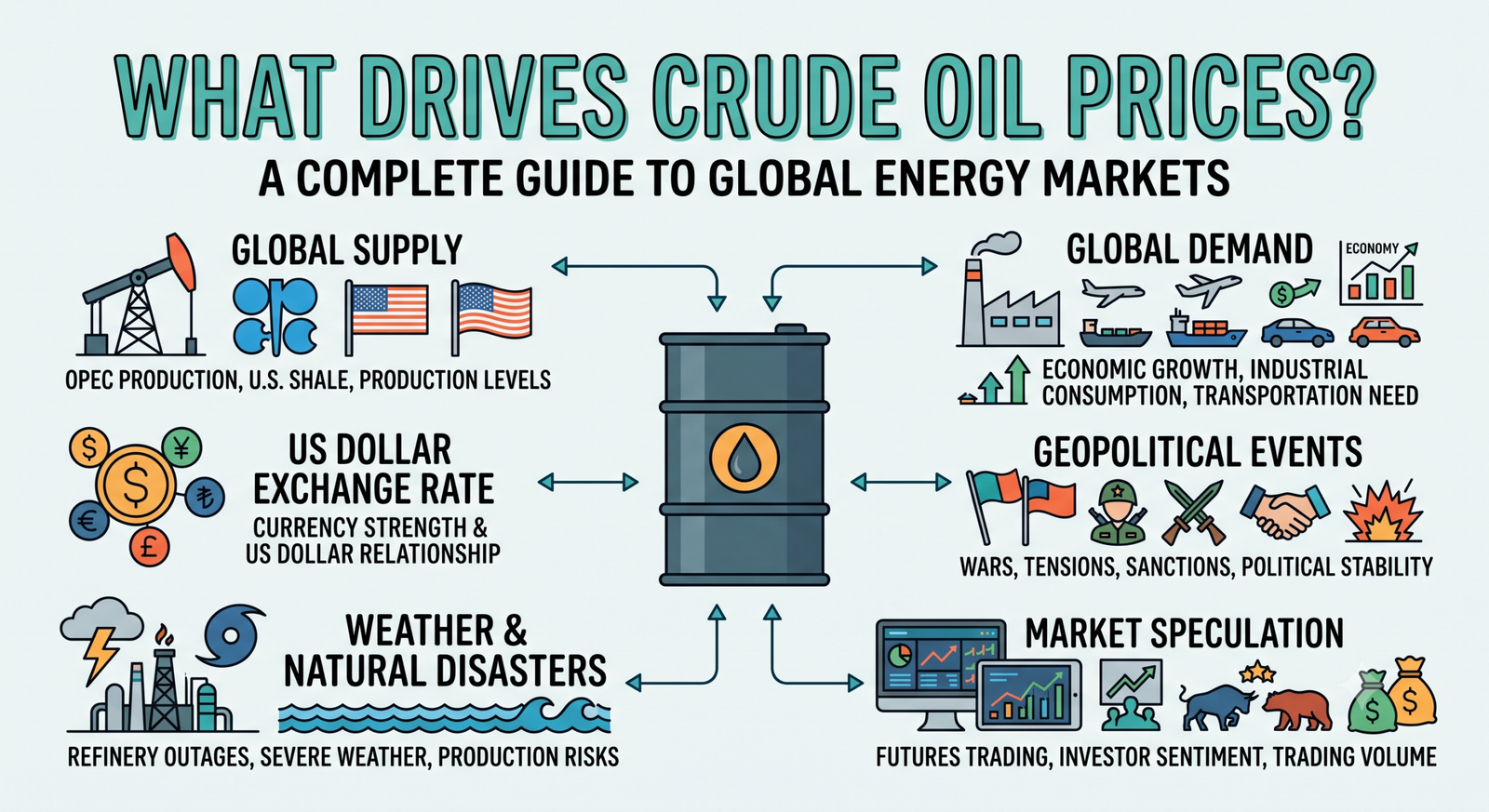
Commodity markets are notoriously cyclical and sensitive to external factors. Prices swing primarily based on global supply and demand imbalances, sudden weather events that destroy harvests, geopolitical conflicts in key resource regions, and the strength of the US dollar. Because most international commodities are priced in US dollars, a rising dollar often makes raw materials more expensive for foreign buyers, dampening demand.
How to invest in commodities
Directly storing barrels of crude oil or tons of copper is impractical for retail investors, so the financial industry offers several indirect ways to participate. Understanding what are commodities investments requires looking at the most common methods used today:
- Futures contracts: Agreements to buy or sell a specific quantity of a commodity at a predetermined price on a future date. This is the traditional method used by producers and speculators.
- Exchange-Traded Funds (ETFs): Funds that track physical commodity indices or hold the physical assets directly (such as gold or silver bullion vaults), offering an easy way to buy shares through standard brokerage accounts.
- Producer stocks: Buying shares in publicly traded mining, energy, or agricultural corporations whose profits rise and fall alongside commodity valuations.
US vs India commodity markets
While global commodity pricing is integrated, the local regulatory environments differ. In the United States, major futures contracts trade on platforms like the CME Group, overseen by the Commodity Futures Trading Commission (CFTC). In India, commodity futures trade on specialized domestic platforms such as the Multi Commodity Exchange (MCX) and the National Commodity & Derivatives Exchange (NCDEX), operating under the regulatory supervision of the Securities and Exchange Board of India (SEBI). Tax rules on capital gains and derivatives trading also vary significantly between the two nations, so investors should verify local codes.
Frequently asked questions
Are commodities good for inflation hedging? Historically, raw material prices tend to rise when the cost of living increases, making them a classic tool for hedging against inflationary pressures.
Do physical commodities pay dividends? No. Unlike stocks or bonds, raw materials like gold bars or crude oil do not generate cash flow or pay periodic income.
Are commodity markets high risk? Yes. High leverage in futures trading and intense price volatility mean investors can experience rapid and substantial losses.
This article is for general education and is not investment, tax or financial advice. Rules and figures change — check the official source or a licensed adviser before acting.
Official information: https://www.sebi.gov.in
This explainer is published by the MoneyPuran desk for general awareness. Rules, limits and rates change over time — please confirm with the official source. Corrections: corrections@moneypuran.com