 Money
Money
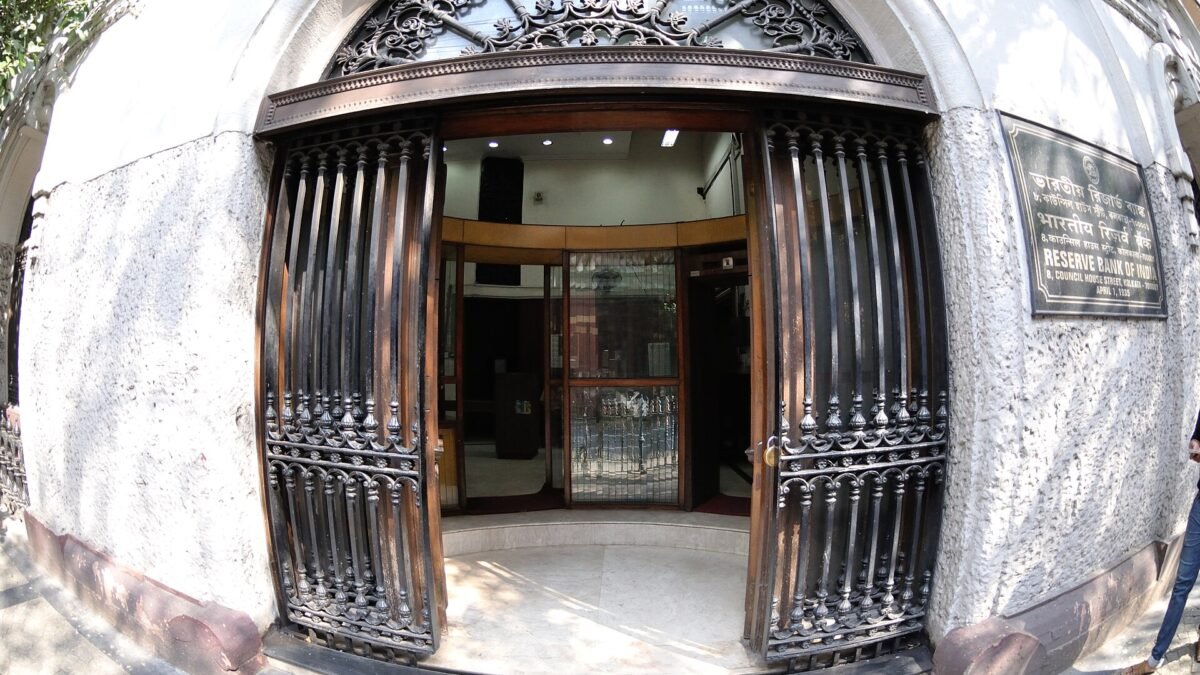
The Reserve Bank of India has extended regulatory directions on The U.P Civil Secretariat Primary Co-operative Bank Ltd. for an additional three months.
Key points
- RBI extended regulatory directions under Section 35A read with Section 56 of the Banking Regulation Act, 1949.
- The U.P Civil Secretariat Primary Co-operative Bank Ltd. is located in Vidhan Bhawan, Lucknow.
- The new extension runs for three months from the close of business on September 11, 2026, to December 11, 2026.
- The central bank noted that the extension does not imply formal satisfaction with the institution’s overall financial health.
The Reserve Bank of India has announced that RBI bank restrictions currently placed on a regional cooperative lender in Uttar Pradesh will remain in effect for another three months. According to an official notification issued by the central banking institution, the regulatory directions applied to The U.P Civil Secretariat Primary Co-operative Bank Ltd., located in Lucknow, have been prolonged in the public interest. The original directive was initially imposed on March 11, 2026, and was originally scheduled to conclude at the close of business on September 11, 2026.
In its recent press release signed by Chief General Manager Brij Raj, the central bank stated that the powers exercised under sub-section (1) of Section 35A read with Section 56 of the Banking Regulation Act, 1949, necessitate a continued oversight period. Consequently, the operational constraints and supervisory terms will now stay in force until the close of business on December 11, 2026. The financial institution, situated near Vidhan Bhawan, remains subject to ongoing monitoring and periodic reviews by the regulatory authority.
Understanding RBI bank restrictions and cooperative rules
When financial authorities step in to place supervisory directives on cooperative banking institutions, it typically signals underlying concerns regarding liquidity, asset quality, or compliance with statutory standards. In India, cooperative banks operate under a dual regulatory framework involving both state registrars and the central banking authority. Section 35A of the Banking Regulation Act grants the regulator sweeping powers to issue binding instructions to protect depositors and maintain stability across the broader financial ecosystem. These interventions often restrict the bank from granting new loans, making fresh investments, or permitting significant withdrawals without prior regulatory clearance.
While such orders aim to safeguard public funds and prevent a disorderly collapse, they frequently create operational hurdles for retail customers and local businesses dependent on the institution for daily banking needs. The central bank routinely emphasizes that issuing an extension should not be interpreted as a clean chit regarding the lender’s financial viability. Instead, the prolonged supervision reflects an ongoing evaluation process where the institution must demonstrate sustained balance-sheet recovery and rigorous adherence to prudential norms before normal banking activities can resume.
- Original directive issued: March 11, 2026
- Previous expiration date: September 11, 2026
- Extended expiration date: December 11, 2026
- Governing legislation: Banking Regulation Act, 1949 (Section 35A read with Section 56)
What this means for investors
For participants in the broader financial markets and regional banking sectors, regulatory interventions of this nature highlight the persistent vulnerabilities within smaller cooperative credit structures. While these local entities generally lack direct exposure to major public equity markets, localized liquidity freezes can undermine consumer confidence in the cooperative tier as a whole. Investors monitoring the Indian banking landscape should pay close attention to how regulatory oversight tightens around non-scheduled urban and primary cooperative banks.
Furthermore, prolonged supervisory controls usually mean that depositors may face continued limitations on accessing their full savings balances, prompting shifts toward larger scheduled commercial banks. Understanding these supervisory actions helps observers gauge the rigorous stance adopted by financial authorities toward balance-sheet transparency and risk management. As the December deadline approaches, market participants will watch for further supervisory reviews, asset audits, or restructuring plans that could determine the long-term viability of the Lucknow-based lender.
Frequently asked questions
What is the purpose of RBI bank restrictions under Section 35A? The central bank uses these powers to issue binding directions to regulated entities in the public interest, typically to protect depositors and ensure financial stability during periods of stress.
Does this extension mean the Lucknow bank is now financially secure? No. The regulatory authority explicitly noted that extending the directive does not imply satisfaction with the financial health of the cooperative bank.
This article is for information only and is not investment advice. Do your own research or consult a licensed adviser before investing.
Based on information published by Reserve Bank of India (RBI). Source: Reserve Bank of India (RBI). Spotted an error? corrections@moneypuran.com