 Money
Money
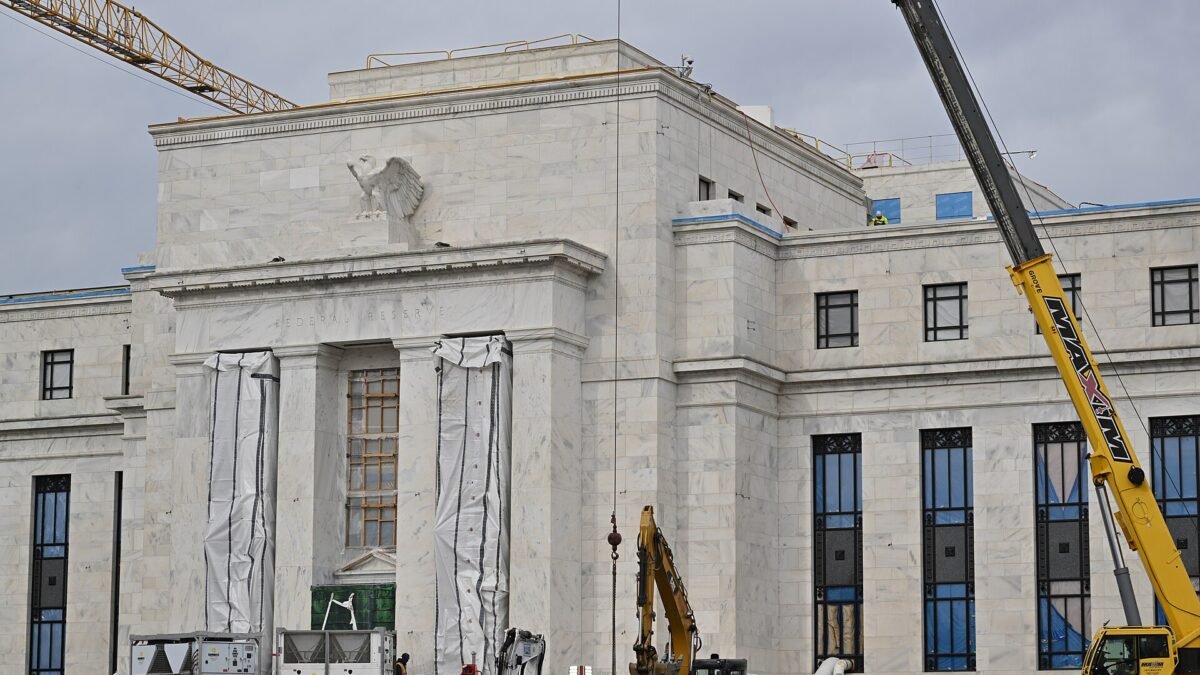
The Federal Reserve Board has officially ended regulatory directives against Dallas-based United Texas Bank and New York-based Quontic Bank holding companies.
Key points
- The Federal Reserve Board terminated a Cease and Desist Order against United Texas Bank on September 2, 2026.
- The 2024 order against the Dallas, Texas-based institution was formally concluded following supervisory review.
- A July 2023 Written Agreement involving Quontic Bank Acquisition Corp. and Quontic Bank Holdings Corp. was also terminated on September 2, 2026.
- The central bank announced the regulatory terminations publicly on September 4, 2026.
A recent Fed enforcement action involving multiple U.S. banking entities has officially been concluded, according to formal announcements issued by the Federal Reserve Board. The central bank revealed that supervisory directives against Dallas-based United Texas Bank as well as New York-based Quontic Bank Acquisition Corp. and Quontic Bank Holdings Corp. have been terminated. Both supervisory matters were formally closed on September 2, 2026, marking a complete resolution of the regulatory oversight orders previously imposed on these financial institutions.
Details of the Fed enforcement action terminations
The Federal Reserve Board confirmed the formal end of supervisory actions against three separate financial entities located in Texas and New York. United Texas Bank, operating out of Dallas, Texas, had been under a formal Cease and Desist Order dated August 29, 2024. After evaluating the institution’s compliance steps and internal controls, federal examiners officially terminated the order on September 2, 2026.
At the same time, the regulatory agency terminated a joint Written Agreement involving Quontic Bank Acquisition Corp. and Quontic Bank Holdings Corp., both based in Astoria, New York. That formal written agreement had originally been established on July 5, 2023, requiring the holding companies to address specific governance, capital, and oversight concerns. As with the Texas institution, the central bank officially terminated the agreement on September 2, 2026, releasing the entities from the heightened compliance mandate.
- United Texas Bank (Dallas, TX): Cease and Desist Order dated August 29, 2024; terminated on September 2, 2026.
- Quontic Bank Acquisition Corp. (Astoria, NY): Written Agreement dated July 5, 2023; terminated on September 2, 2026.
- Quontic Bank Holdings Corp. (Astoria, NY): Written Agreement dated July 5, 2023; terminated on September 2, 2026.
- Announcement Date: September 4, 2026, by the Federal Reserve Board.
Understanding Fed enforcement action mechanisms
Federal regulatory enforcement actions serve as vital tools for central bank examiners to maintain safety and soundness across the U.S. banking sector. When the Federal Reserve identifies deficiencies in risk management, internal controls, capital adequacy, or compliance with regulations such as anti-money laundering frameworks, it can issue administrative sanctions ranging from informal supervisory agreements to public formal orders.
A Cease and Desist Order is one of the most direct legal administrative remedies available to federal bank regulators. It legally obligates a bank to stop unsafe or unsound practices and implement strict, court-enforceable corrective measures within specified regulatory timelines. In contrast, a Written Agreement is a formal, binding agreement between the Federal Reserve and a bank’s board of directors or parent holding company. While structured differently than an injunction, a written agreement still mandates rigorous compliance reforms and subjects the institution to structured reporting schedules and elevated supervisory monitoring.
How banks conclude a Fed enforcement action
To successfully resolve a Fed enforcement action, a financial institution must execute comprehensive operational, governance, and compliance remediation plans. Bank management typically works alongside third-party auditors and regulatory examiners to redesign internal risk frameworks, upgrade compliance software, retrain operational staff, and enhance board-level governance oversight.
The Federal Reserve Board continuously monitors an institution’s progress through periodic compliance reports, targeted examinations, and on-site review visits. Only when central bank supervisors determine that the financial institution has fully addressed all mandated corrective actions and demonstrated sustained operational compliance will the Board issue a formal order of termination. Concluding a Fed enforcement action signifies that regulators are satisfied with the bank’s operational safety, financial stability, and internal control environment.
Strategic implications for regulated banking institutions
The termination of supervisory orders carries significant commercial and operational benefits for affected banks and bank holding companies. While subject to formal regulatory orders, financial institutions face strict restrictions on strategic initiatives, including limits on opening new branches, acquiring other entities, paying shareholder dividends, or introducing novel financial products.
Removing these formal administrative burdens enables bank executive teams and boards of directors to pivot back toward long-term corporate growth and expansion strategies. Furthermore, clearing formal regulatory marks helps restore market confidence among depositors, institutional investors, and counterparty lenders. For regional and community banking groups, maintaining clean regulatory standings is essential for remaining competitive within the broader U.S. financial sector.
Frequently asked questions
What does it mean when regulators terminate a Fed enforcement action? Terminating an action means the Federal Reserve has determined that the bank or holding company has fulfilled all required corrective measures and restored satisfactory compliance and risk management practices.
Which financial entities were cleared in the Federal Reserve’s September 2026 update? The Federal Reserve cleared Dallas-based United Texas Bank alongside Astoria-based holding companies Quontic Bank Acquisition Corp. and Quontic Bank Holdings Corp.
How long did these regulatory enforcement actions remain in place? The Cease and Desist Order for United Texas Bank lasted approximately two years from August 2024 to September 2026, while the Written Agreement for the Quontic Bank entities lasted over three years from July 2023 to September 2026.
This article is for information only and is not investment advice. Do your own research or consult a licensed adviser before investing.
Based on information published by U.S. Federal Reserve Board. Source: U.S. Federal Reserve Board. Spotted an error? corrections@moneypuran.com