 Money
Money
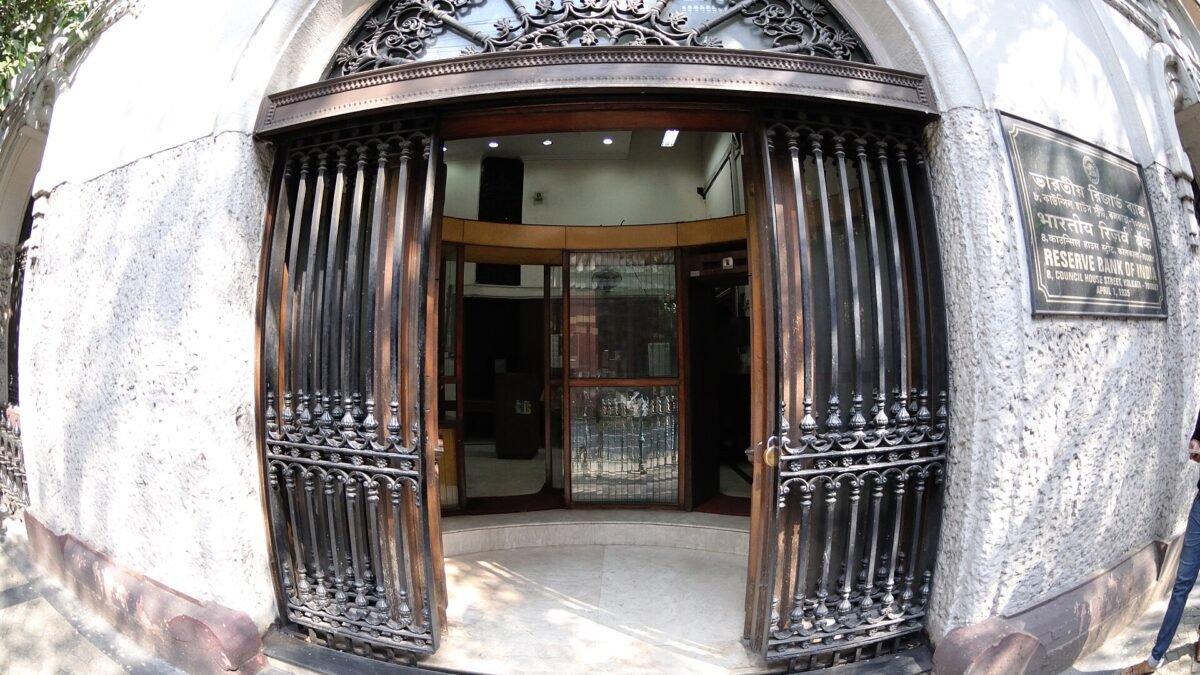
The Reserve Bank of India has restricted Ahmednagar-based Ashok Sahakari Bank from issuing loans, accepting deposits, or allowing customer withdrawals for six months.
Key points
- RBI imposes directions under Section 35A on Ashok Sahakari Bank effective August 28, 2026.
- Depositors are currently restricted from making withdrawals, but loan set-offs are allowed under conditions.
- The lender cannot grant loans, accept fresh deposits, or sell assets without RBI written approval.
- Eligible depositors can claim insurance coverage up to ₹5,00,000 from DICGC.
- The directives will remain in force for six months and do not constitute a license cancellation.
The Ashok Sahakari Bank has been placed under comprehensive supervisory directions by the Reserve Bank of India (RBI) starting from the close of business on August 28, 2026. Under these regulatory directives, the central bank has restricted the Ahmednagar-based urban cooperative lender from granting fresh loans, accepting new deposits, or permitting customers to withdraw funds from their accounts without prior written consent. The central bank stated that these measures were necessary to protect the overall interests of depositors following recent supervisory concerns regarding the bank’s financial stability and operational governance.
Key business restrictions on Ashok Sahakari Bank
The regulatory order issued under Directive Ref. No. S4110 / 12-22-377 / 2026-27 explicitly limits the operational powers of Ashok Sahakari Bank. Starting August 28, 2026, the bank is barred from issuing or renewing any loans and advances, making investments, or incurring fresh financial liabilities. Additionally, the lender cannot accept fresh deposits, borrow funds, or enter into any compromise or settlement arrangements regarding its existing obligations unless specifically authorized by the RBI in writing.
To prevent asset erosion, the central bank has also prohibited Ashok Sahakari Bank from selling, transferring, or disposing of any of its properties or assets. Regarding customer liquidity, the RBI directed that no withdrawals will be permitted from savings accounts, current accounts, or any other deposit categories held at the institution. However, the bank has been granted permission to set off outstanding loans against existing customer deposits, subject to specific regulatory conditions outlined in the directive. Essential operating expenses, including employee salaries, office rent, and utility payments like electricity bills, remain permissible so the institution can maintain minimum administrative capabilities.
Supervisory concerns prompt RBI action against Ashok Sahakari Bank
Explaining the rationale behind the sudden regulatory intervention, the central bank noted that the measures were necessitated by serious supervisory concerns arising from recent material developments within the lender. The RBI confirmed that it had previously engaged with the Board of Directors and senior executive management of Ashok Sahakari Bank to encourage structural improvements in its financial health and governance framework.
However, due to a persistent lack of concrete efforts taken by the leadership of Ashok Sahakari Bank to resolve these supervisory issues and protect depositor funds, the central bank was forced to step in with statutory directions. The RBI clarified that these restrictions will remain in force for an initial period of six months from the close of business on August 28, 2026, and will be subject to periodic review. Importantly, the regulator stressed that the issuance of these directions should not be construed as a formal cancellation of the bank’s banking license. The entity will continue to carry out restricted banking activities while its financial condition remains under close monitoring.
DICGC coverage and depositor protection for Ashok Sahakari Bank
To alleviate panic among retail customers, the central bank highlighted that eligible depositors of Ashok Sahakari Bank are covered under the safety net provided by the Deposit Insurance and Credit Guarantee Corporation (DICGC). Under the provisions of the DICGC Act, 1961, depositors are entitled to receive insurance claims up to a ceiling of ₹5,00,000 (Rupees Five Lakh) per depositor, calculated across their total deposits held in the same capacity and right at the institution.
Depositors seeking to claim their insured amounts must submit their willingness and undergo verification through the bank’s administrative channels. The DICGC framework is designed to provide immediate relief to retail account holders during financial distress at co-operative banks, ensuring that small savings up to the statutory limit remain fully protected under Indian law. Account holders can contact local bank branch officials or visit the official DICGC portal for detailed instructions on claim submission and verification procedures.
Regulatory framework under Section 35A
The Reserve Bank of India derives its supervisory authority over primary co-operative banks from Section 35A read together with Section 56 of the Banking Regulation Act, 1949. Section 35A empowers the central bank to issue binding directions to banking institutions whenever it determines that their affairs are being conducted in a manner detrimental to depositor interests or public welfare. Over the years, the regulator has utilized this statutory provision to enforce accountability and prevent capital depletion at underperforming urban co-operative lenders across the country.
When directions under Section 35A are imposed, the primary objective is to preserve the existing asset base of the lender while enabling the regulator to assess whether restructuring or recovery measures are viable. If the institution demonstrates tangible operational improvements and rectifies its capital adequacy during the six-month window, the central bank retains full authority to modify, relax, or withdraw the restrictions as warranted by evolving circumstances.
Key facts and regulatory parameters
The core elements of the regulatory decision regarding Ashok Sahakari Bank include the following specific parameters:
- Regulatory Authority: Reserve Bank of India (RBI), invoking Section 35A read with Section 56 of the Banking Regulation Act, 1949.
- Effective Date: Directions take effect from the close of business on August 28, 2026.
- Primary Restrictions: Total freeze on fresh lending, investments, asset transfers, and deposit withdrawals.
- Insurance Coverage Limit: Up to ₹5,00,000 per depositor under the DICGC Act, 1961.
- Initial Enforcement Period: Six months from August 28, 2026, subject to periodic central bank review.
Frequently asked questions
Is the banking license of Ashok Sahakari Bank cancelled by RBI? No, the RBI explicitly stated that the issue of these directions does not mean the banking license has been cancelled. The bank continues to operate under regulatory restrictions while its financial position is evaluated.
How much money can depositors withdraw from their accounts? Currently, account holders are not allowed to withdraw any funds from savings, current, or other deposit accounts, though deposits can be set off against existing loan obligations where applicable.
What is the maximum deposit insurance claim available to customers? Eligible depositors can claim up to ₹5,00,000 from the Deposit Insurance and Credit Guarantee Corporation (DICGC), subject to verification and regulatory guidelines.
This article is for information only and is not investment advice. Do your own research or consult a licensed adviser before investing.
Based on information published by Reserve Bank of India (RBI). Source: Reserve Bank of India (RBI). Spotted an error? corrections@moneypuran.com




[…] RBI Imposes Business Restrictions on Ashok Sahakari Bank […]